
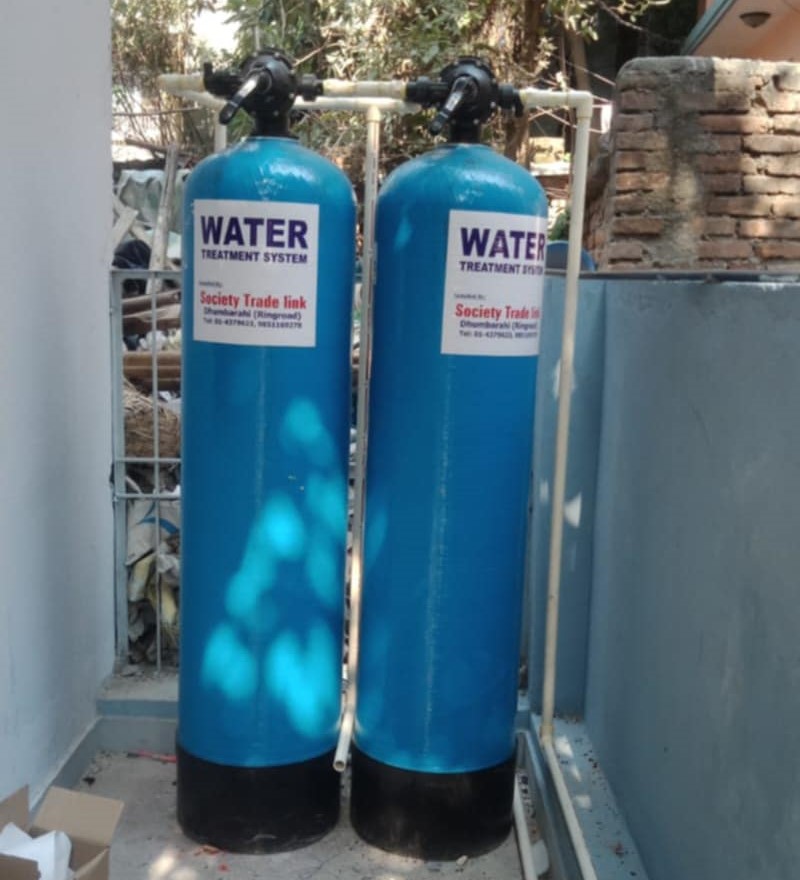
An Iron Removal Plant is a water treatment facility designed to eliminate excessive iron content from groundwater or other water sources. Iron in water typically exists in two forms: soluble ferrous iron (Fe²⁺) and insoluble ferric iron (Fe³⁺). While iron is an essential mineral for the human body, high concentrations in water can cause a range of issues including unpleasant taste, rusty stains on laundry and fixtures, clogging of pipes, and even damage to industrial equipment. Iron removal plants are essential for both domestic and industrial users, especially in regions where groundwater is the primary water source and is naturally rich in iron.
The working principle of an iron removal plant typically involves oxidation followed by filtration. In the oxidation stage, ferrous iron is converted into ferric iron, which is insoluble and can be filtered out. This oxidation can be achieved through aeration (exposure to air), chemical oxidants (like chlorine or potassium permanganate), or pressure aeration systems. Once oxidized, the water passes through a filtration unit — commonly consisting of sand, gravel, or specialized media like manganese greensand or activated carbon — to remove the precipitated iron particles.
There are different types of iron removal systems based on the source water quality and specific requirements. These include gravity-based units for small-scale use, pressure filters for high-flow applications, and dual media filters for simultaneous removal of iron and other contaminants like manganese or hydrogen sulfide. Some systems are integrated with automatic backwashing capabilities, ensuring long-term operation with minimal maintenance. For households, compact iron removal filters are available that can be installed directly at the water inlet point.
Iron removal plants play a critical role in ensuring safe, odorless, and aesthetically pleasing water for drinking, cooking, cleaning, and industrial processes. In industrial settings, especially in textile, food processing, and beverage industries, maintaining low iron content is crucial to product quality and equipment longevity. In agricultural contexts, iron-free water prevents clogging in irrigation systems and protects soil quality.
In summary, an iron removal plant is a vital component in water purification infrastructure, especially in areas with high iron concentrations in groundwater. By effectively removing iron and related impurities, these systems enhance water quality, protect health, and prevent damage to plumbing and appliances. Whether for individual households, large communities, or industrial use, investing in a reliable iron removal plant can yield long-term benefits in terms of water safety, efficiency, and maintenance cost reduction.